Hyperbaric Oxygen Therapy

A different way to support healing, recovery, and cellular oxygenation

It starts with oxygen

There’s something fundamental to how the body heals—something often overlooked: Oxygen.

Every cell depends on it to produce energy, repair tissue, and maintain normal function. But in certain conditions—especially in chronic disease, inflammation, or cancer—oxygen delivery can become limited, particularly in areas with compromised circulation. Hyperbaric Oxygen Therapy is designed to change that.

The science behind oxygen under pressure

HBOT involves breathing 100% oxygen inside a pressurized chamber, typically above normal atmospheric pressure. Under pressure, oxygen dissolves not only into red blood cells—but directly into the plasma, allowing it to travel further and reach tissues that are otherwise difficult to oxygenate.

This process is supported by well-established physiological principles such as Henry’s Law, which explains how gases dissolve more efficiently under pressure. At a cellular level, this can:

  • Increase oxygen availability in hypoxic (low-oxygen) tissues
  • Support mitochondrial function and ATP production
  • Promote angiogenesis (formation of new blood vessels)
  • Enhance tissue repair and wound healing
  • Support immune response and antimicrobial activity

It’s not simply more oxygen—it’s more effective oxygen delivery.
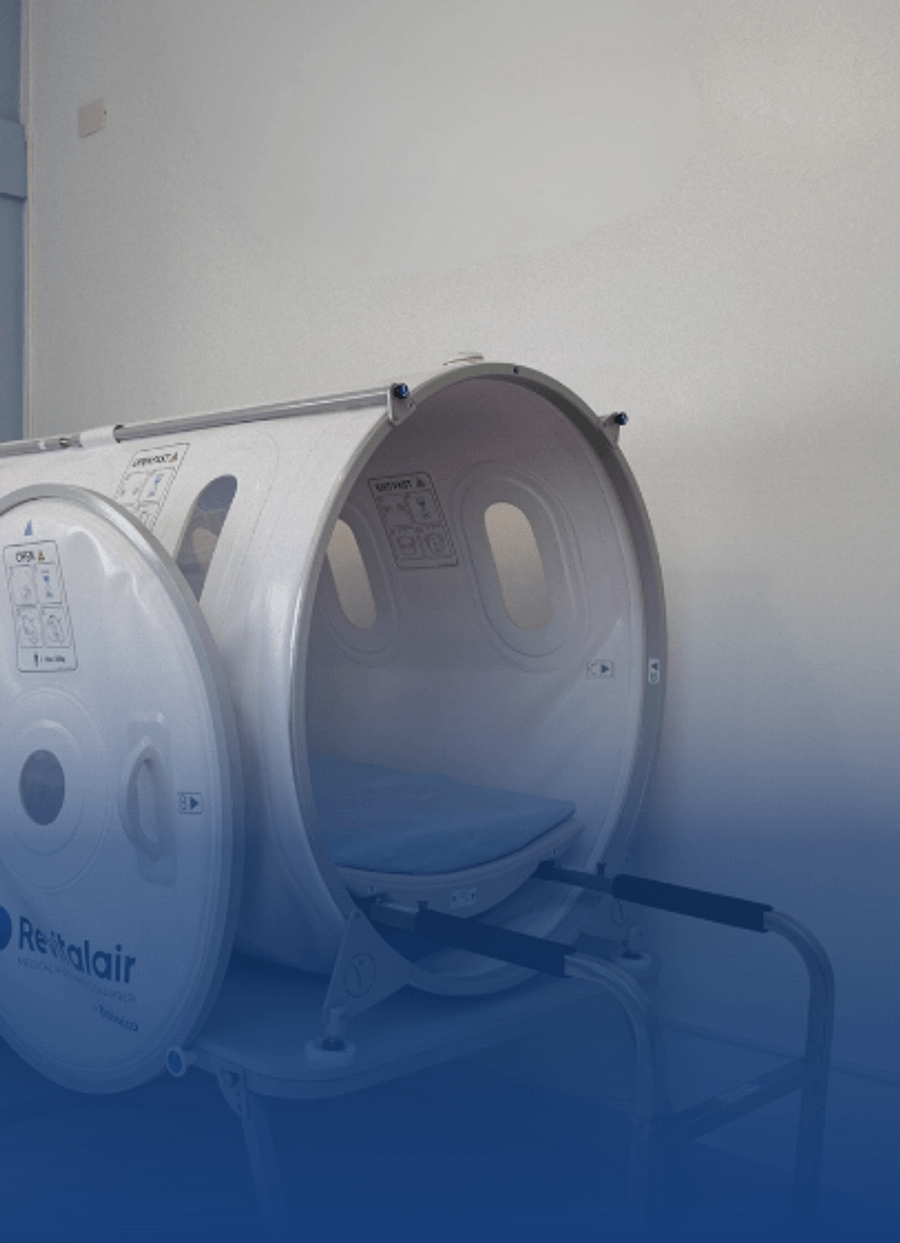
Hyperbaric oxygen therapy chamber

Where this becomes clinically relevant

In the context of cancer care, oxygen plays a particularly important role. Tumor environments are often hypoxic, meaning they exist in low-oxygen conditions. This can make them more resistant to certain treatments and can influence how they grow and respond.

By increasing oxygen availability in tissues, HBOT is sometimes used as an adjunctive therapy to:

  • Support the effectiveness of treatments like chemotherapy and radiotherapy
  • Help improve oxygenation in tumor environments
  • Promote healing of tissues affected by cancer treatments
  • Reduce certain side effects related to radiation or poor tissue recovery

It’s important to understand: HBOT is not a standalone cancer treatment. Instead, it is used as part of a broader, medically supervised strategy to support the body during and after conventional therapies.

Inside the chamber

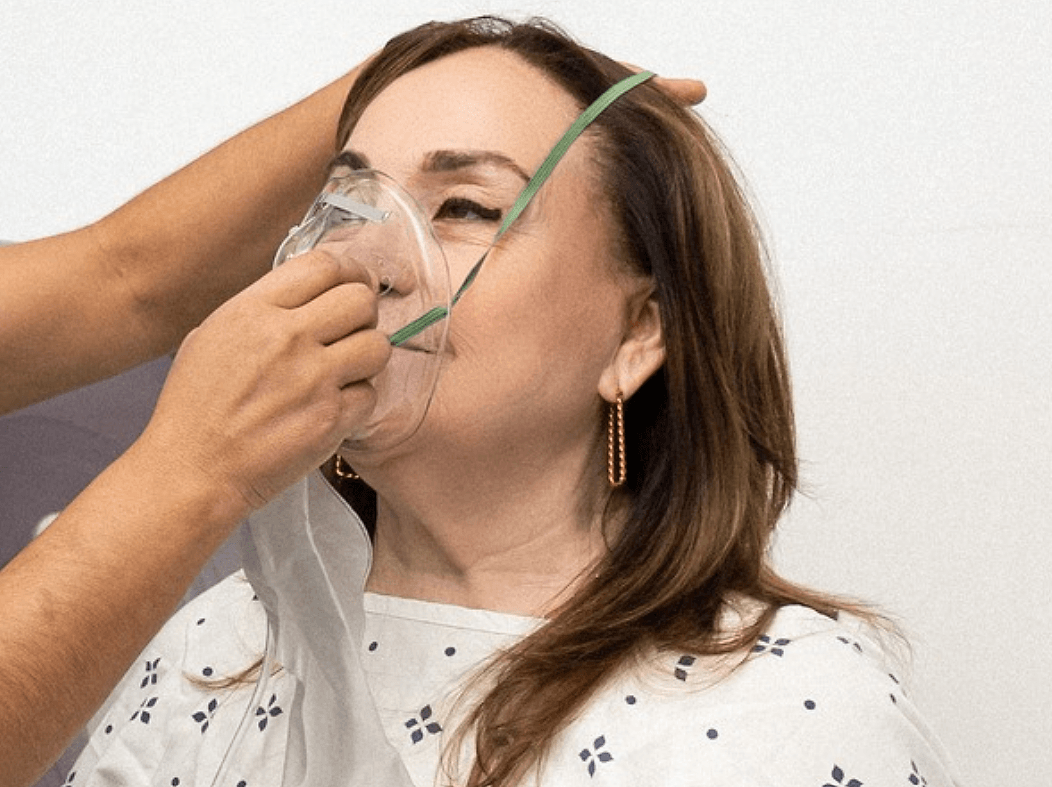
HBOT is a structured, non-invasive, and carefully monitored process. Each session typically lasts around 60 minutes. As the chamber pressurizes, you may feel a temporary sensation in your ears—similar to changes in altitude during a flight.

Once inside, most people relax. Many read, listen to music, or simply rest. After the session, you can return to normal activity, although some people may feel slightly tired or hungry.

Patient breathing oxygen during a hyperbaric session

Why consistency matters

HBOT is not a one-time intervention. Protocols are typically structured over multiple sessions—often performed daily over a defined period—allowing the body to gradually respond to improved oxygen delivery.

With consistency, this can support better circulation, tissue recovery, and overall physiological resilience.

A different way to support healing

Hyperbaric Oxygen Therapy goes beyond surface-level recovery. It supports one of the most essential elements of human function—oxygen—helping create the conditions for healing at a deeper, cellular level. All within a controlled clinical environment focused on safety, precision, and ongoing monitoring.

Start your recovery process

Support your body with advanced oxygen therapy.

Schedule Your Session