An oxygen-based therapy with more than a century of medical use
Although many people are only now discovering ozone therapy, its medical use dates back more than 100 years. Ozone was first utilized in medical settings during the early 20th century, where physicians observed its ability to support wound care, circulation, and infection management.
Over the decades, advances in ozone generators, administration methods, and clinical protocols have expanded its use into a wide variety of medical and integrative applications. Today, ozone therapy is utilized throughout Europe, Latin America, and other parts of the world as part of comprehensive treatment programs designed to support healing, recovery, and physiological function.
Every cell in the body depends on oxygen. The brain consumes roughly 20% of the body’s oxygen supply despite representing only a small percentage of total body weight. The heart, muscles, immune system, and virtually every organ rely on a continuous supply of oxygen to function properly.
When tissues receive adequate oxygen, cells can efficiently produce ATP—the molecule responsible for powering nearly every biological process in the body.
But modern life places increasing demands on these systems. Chronic stress, inflammation, environmental toxins, infections, metabolic dysfunction, poor circulation, and aging can all influence how effectively oxygen is delivered and utilized throughout the body. Over time, this may contribute to fatigue, slower recovery, chronic inflammation, impaired immune function, and reduced resilience.
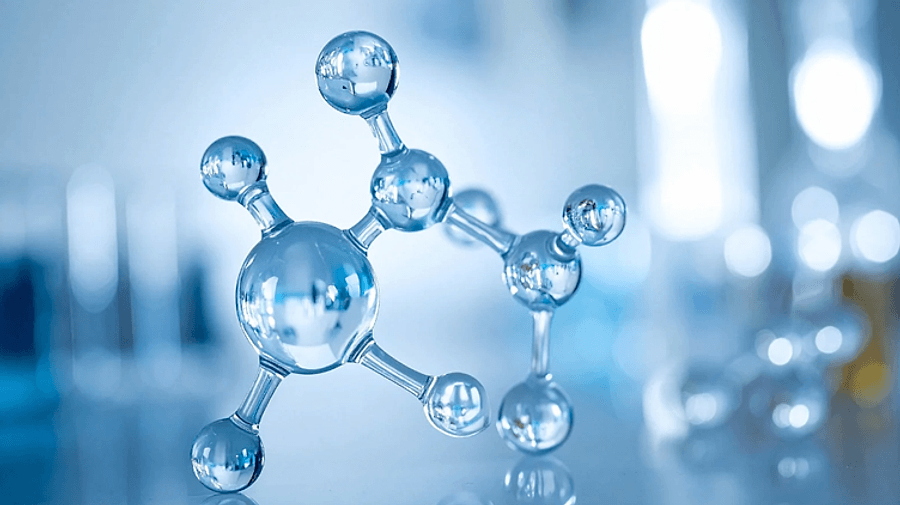
Medical ozone is a specialized form of oxygen composed of three oxygen atoms (O₃) rather than the two atoms found in the oxygen we breathe (O₂). While this small difference may seem simple, it gives ozone unique biological properties that have been studied for decades in medicine.
Unlike environmental ozone, which can be harmful when inhaled, medical ozone is administered using specific protocols under professional supervision. When introduced into the body through approved therapeutic methods, ozone does not remain as ozone for long. Instead, it reacts almost immediately with biological molecules, triggering a series of biochemical responses—generating what researchers refer to as “ozone messengers” that help activate various adaptive processes throughout the body.
In this way, ozone therapy does not function as a drug. It functions more as a biological signal—encouraging the body’s own regulatory systems to respond more effectively.
At first glance, ozone may seem like an unusual therapy. After all, ozone is highly reactive by nature. But this reactivity is precisely what makes it biologically interesting.
When medical ozone is administered under controlled conditions, it reacts with lipids, proteins, and antioxidants naturally present in the bloodstream and tissues. These reactions generate signaling molecules that help activate adaptive pathways throughout the body.
Researchers often compare this process to exercise. Exercise creates temporary physiological stress, yet that stress ultimately stimulates stronger muscles, improved cardiovascular fitness, and greater resilience. Ozone therapy is believed to work through a similar principle known as hormesis—a process in which a carefully controlled stimulus triggers a beneficial biological response.
The goal is not to overwhelm the body, but to encourage it to activate systems involved in protection, repair, adaptation, and recovery.
Virtually every healing process in the body requires energy. Immune cells require energy to respond to challenges. Tissues require energy to repair damage. The brain requires energy to regulate countless biological functions. Even the production of antioxidants depends on healthy cellular metabolism.
This is why oxygen plays such a central role in health. Ozone therapy is often incorporated into protocols designed to support oxygen metabolism and mitochondrial function—the cellular processes responsible for generating ATP, the body’s primary energy currency.
When cells can produce energy more efficiently, the effects may influence multiple systems throughout the body, including recovery, circulation, immune balance, and overall resilience.
One of the reasons ozone therapy is used across such a wide range of conditions is that it does not target a single organ or disease. Instead, it focuses on physiological processes that are common to many health concerns: inflammation, oxidative stress, circulation, immune regulation, cellular energy production, and tissue repair.
These mechanisms influence virtually every system in the body. For this reason, ozone therapy may be incorporated into treatment programs designed to support patients dealing with chronic inflammatory conditions, cardiovascular concerns, immune dysfunction, orthopedic injuries, chronic infections, environmental toxicities, and recovery-focused wellness goals.
The objective is not necessarily to treat a diagnosis directly, but to support the biological systems involved in healing and adaptation.
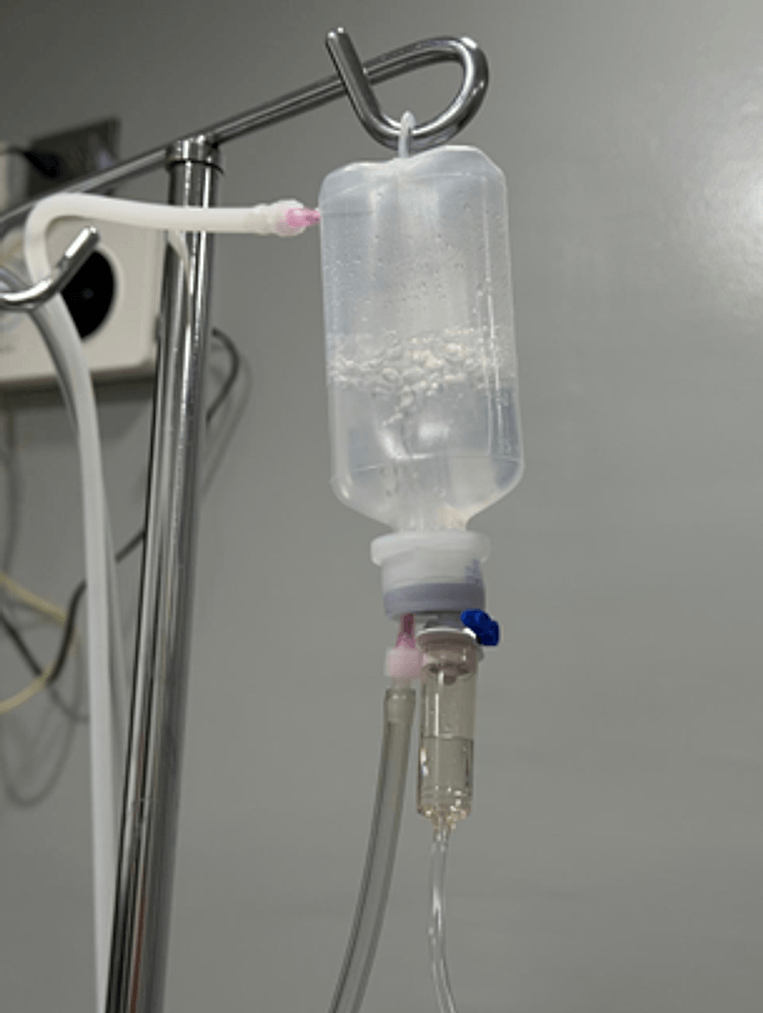
Unlike many treatments that follow a single protocol, ozone therapy offers remarkable flexibility. Some patients may benefit from systemic approaches such as EBOO, Major Autohemotherapy (MAH), or Ozone IV Therapy. Others may require localized applications focused on joints, soft tissues, circulation, or skin health.
This adaptability allows ozone therapy to become part of a highly personalized treatment strategy—one that can be adjusted according to each patient’s needs, goals, and clinical presentation. Because no two patients heal exactly the same way, treatment should not be exactly the same either.
For this reason, ozone therapy is not a single treatment—but rather a family of therapies that can be customized according to each patient’s needs.
At The Good Samaritan Medical Center, each method is selected based on your individual evaluation, treatment goals, and physician recommendations.
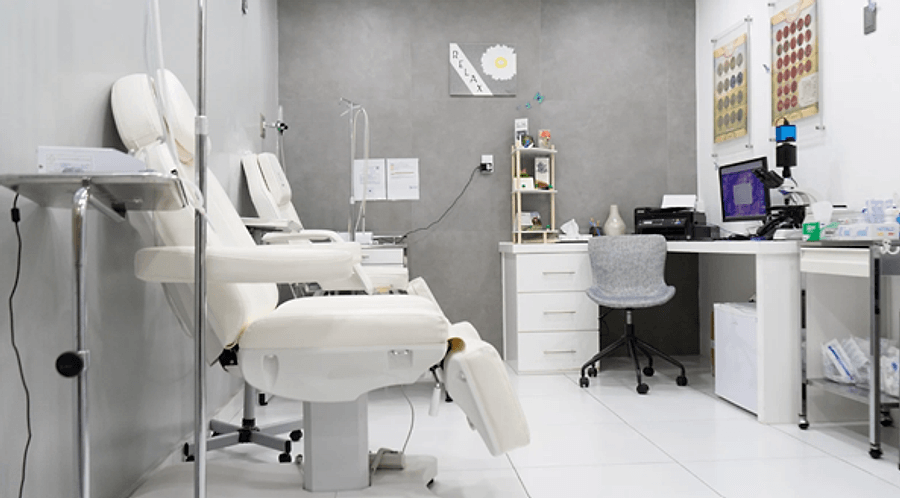
Our ozone therapy program is delivered by experienced clinical staff in a controlled medical environment, with each protocol guided by your evaluation and personal treatment goals.
Our medical team will help determine the most appropriate approach for your needs.
Schedule your consultation today