Red Light Therapy

A different way to support recovery, energy, and cellular health

Subtle, but deeply effective

Supporting the body in doing what it already knows how to do

There’s a level of healing that doesn’t come from doing more—but from supporting the body in doing what it already knows how to do. Red Light Therapy is built around that idea.

Instead of forcing change, it works by delivering specific wavelengths of red and near-infrared light that interact directly with your cells—supporting how they produce energy, repair themselves, and respond to stress over time. It’s subtle. But deeply effective.
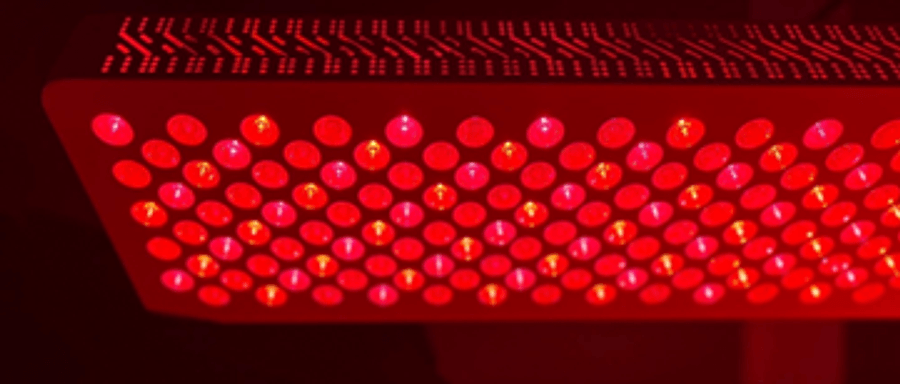
Close-up of a red light therapy panel

What Red Light Therapy actually does

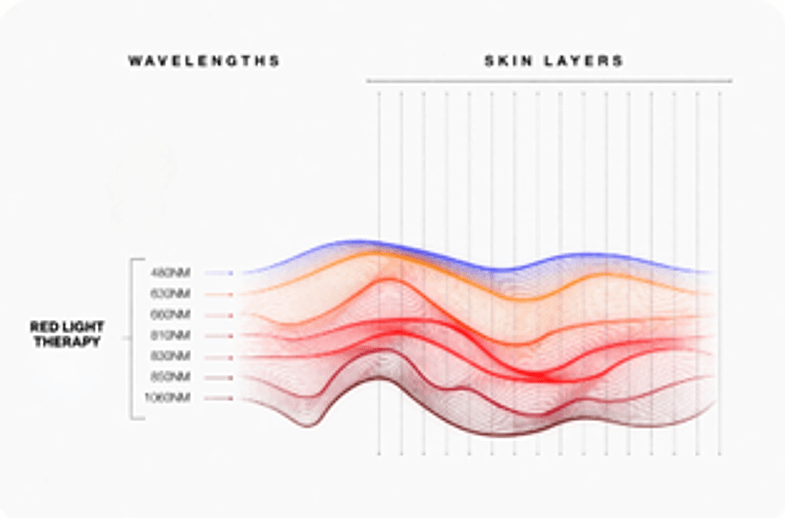
Red Light Therapy—also known as photobiomodulation—uses targeted wavelengths of red (typically around 630–660 nm) and near-infrared light (around 810–880 nm) to penetrate the skin and reach deeper tissues.

At the cellular level, this light is absorbed by chromophores within the mitochondria, particularly an enzyme called cytochrome c oxidase. This interaction helps stimulate mitochondrial activity, leading to increased production of ATP—the primary source of energy for cellular function. At the same time, it can support improved cellular signaling, reduced oxidative stress, and modulation of inflammatory pathways.

The result isn’t just a surface-level effect—it’s a shift in how cells function and recover.

Diagram of red and near-infrared wavelengths penetrating the skin layers
Different wavelengths penetrate the skin to different depths, reaching cells and deeper tissues.

Why that matters

When cells produce energy more efficiently, the effects extend beyond a single system. Over time, this can support:

  • Reduced inflammation through modulation of cytokine activity
  • Enhanced tissue repair and collagen synthesis
  • Improved microcirculation and oxygen delivery
  • Faster muscle recovery and reduced fatigue
  • Support for neurological function and cognitive clarity

It’s not about forcing outcomes—it’s about improving the environment in which the body heals.

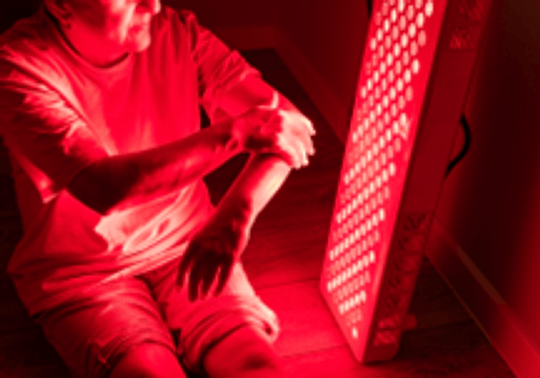
Patient receiving a red light therapy session

What a session feels like

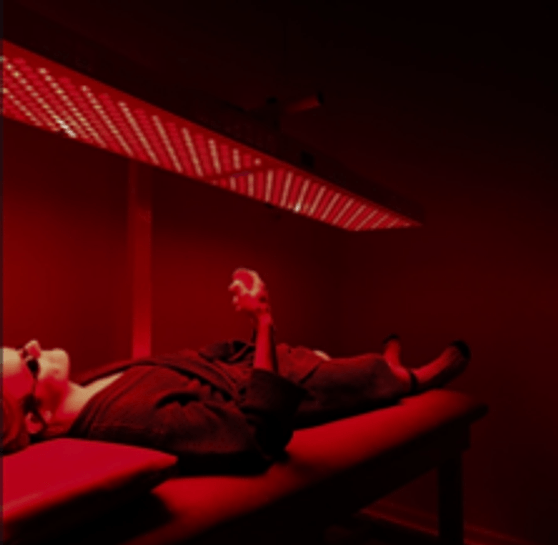
Red Light Therapy is simple, non-invasive, and designed to be easy to integrate. During a session, you’re positioned comfortably while the light is applied to targeted areas of the body. There’s no pain, no needles, and no downtime afterward.

Most sessions are relatively short, and while some people notice a gentle warmth or relaxation, others feel very little during the treatment itself. Both experiences are normal—the effects happen at the cellular level, often building gradually over time.

Person relaxing under a full-body red light therapy panel

A consistent, cumulative process

Photobiomodulation works best with consistency. Rather than creating immediate, dramatic shifts, it supports gradual improvements in how cells generate energy, respond to inflammation, and repair tissue. With repeated sessions, these effects can become more noticeable—contributing to better recovery, improved resilience, and overall balance.

A more intentional way to support your body

Red Light Therapy isn’t about quick fixes. It’s about supporting the systems that drive energy, repair, and function—at the level where those processes begin. Backed by a growing body of research, and delivered in a controlled, clinical setting, it offers a precise and non-invasive way to support the body over time.

Start your recovery process

Support your body at a cellular level.

Schedule Your Session