The Potential of Mesenchymal Stem Cells (MSCs)
Mesenchymal stem cells (MSCs) are among the most widely studied cells in regenerative medicine and are of growing interest for their unique biological and signaling properties.
Research continues to explore their potential role in supporting the body's natural processes related to tissue repair, inflammatory balance, cellular communication, and recovery.
MSCs are especially interesting because they can interact with surrounding cells through biological signaling, an area of research that is helping expand our understanding of regenerative medicine.
As research continues to evolve, stem cells remain an exciting area of modern medicine with potential applications across a growing range of medical fields.

Why cellular signaling matters
Cellular signaling is essential to how cells communicate and coordinate many of the body's natural biological processes.
Research into regenerative medicine is exploring how stem-cell signaling may contribute to tissue repair, inflammatory balance, cellular function, and recovery.
Why Stem Cells Are Being Studied
Stem cells have become an important area of regenerative medicine research because of their unique ability to self-renew and interact with surrounding cells and tissues.
Researchers are exploring their potential role in tissue repair, cellular communication, inflammatory balance, immune signaling, and recovery. These properties have created growing interest in the potential applications of stem cells across multiple areas of medicine.
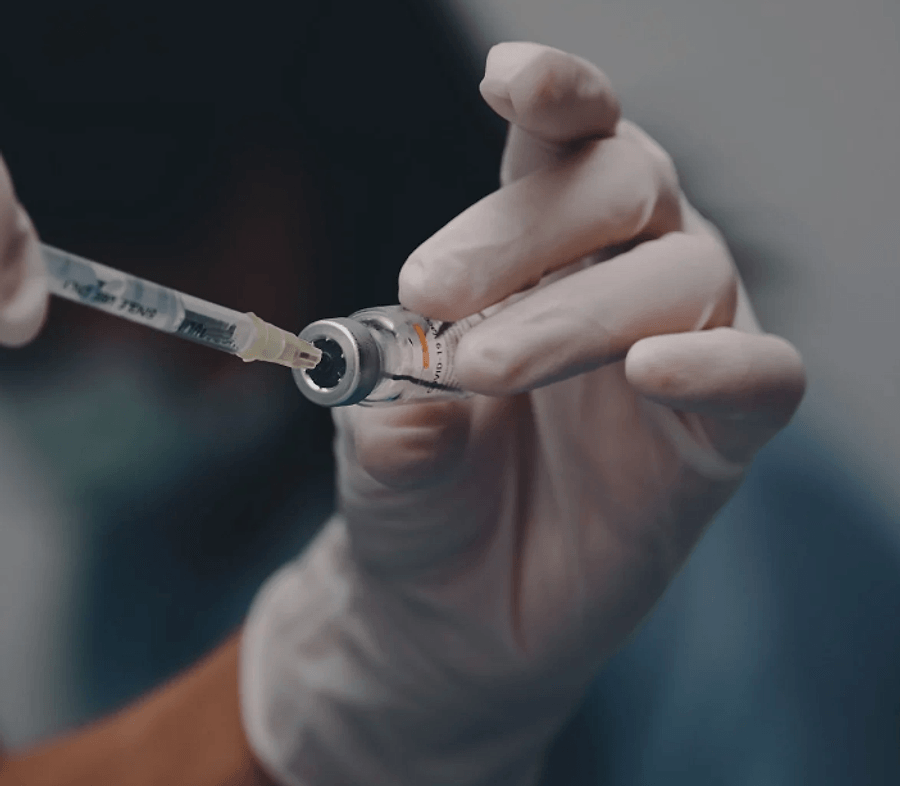
A Growing Field in Modern Medicine
Stem cell research is expanding our understanding of regenerative medicine and how cells communicate, adapt, and participate in the body's natural biological processes.
This growing field continues to generate interest across multiple areas of medicine as researchers explore new potential applications and approaches.
Learn More About Stem Cell Therapy and Regenerative Medicine
Explore current research, potential applications, and how regenerative medicine is being studied across different areas of healthcare.
Contact Us